


Change ‘secure or insecure’ attachment to ‘certain or uncertain’ attachment

Change ‘veilige en onveilige’ hechting to ‘zekere of onzekere’ hechting
Does your attachment style feel like a heavy label you can't shake off? Perhaps the inspiring lessons shared by Prof. Dr. Guy Bosmans at the NIP Annual Congress will give you some breathing room. He spoke about how we can re-evaluate and even strengthen our relationships and our ‘trust in care’.
Last week, the NIP Annual Conference took place in Den Bosch. There were interesting keynote speakers, including Guy Bosmans from KU Leuven. He spoke about the myths and truths surrounding attachment theory.
The basis of attachment theory
Bowlby developed the basis of this theory. Later, Ainsworth and Main expanded on it further. The theory describes four attachment styles: secure attachment, anxious-ambivalent, avoidant, and disorganised.
Broadly speaking, we talk about secure or insecure attachment. In an interview with Guy Bosmans that I read online, he explains that we can view attachment as ‘trust in care’. From birth, we experience in stressful situations whether we receive that care. Insecurely attached people often have less trust in the fact that they can rely on others.
From safe to sure
According to Guy Bosmans, the terms ‘safe’ and ‘unsafe’ give too strong a connotation to the subject. He prefers to speak about secure or insecure attachment. He adds, “Insecure behaviour in relationships is actually logically adaptive behaviour if you have experienced in your youth that sufficient care was not always certain. And... “with uncertainty,” he then says, “you can survive perfectly well.”
Interesting insights from the lecture
I'd like to share some more points that, in my opinion, were interesting takeaways from Guy Bosman's lecture.
- Everyone adheres There's no such thing as ‘not being attached’. Our biological system ensures we have the need to form attachments. When stressed, help from others increases our chances of survival.
- Effect on mental health There is a link between attachment and psychopathology (such as anxiety disorders and depression). However, the effects are less pronounced than often thought.
- Numbers Around 40% of people have an insecure attachment style.
- A buffer: Attachment works as a buffer for our mental health.
- No fault of your own Being insecurely attached is not your fault.
- Safe environment Children can better cope with stress at home if they can express their feelings and be heard.
- Restoring trust: Have you damaged the trust with your child? You can repair this by acknowledging the pain you have caused. Admit you were wrong.
- Stress and cortisol: Stress triggers your attachment. When a parent offers care and the child notices they can rely on them, the cortisol level drops.
- No fixed script You learn a ‘script’ about worries that influences secure or insecure attachment. This story is constantly updated by new experiences. Attachment styles are therefore not set in stone. Thanks to positive relationships or therapy, you can even develop ‘earned secure attachment’.
A positive outlook on change
It was good to get more background information on the myths and truths surrounding attachment. It's encouraging to hear that you can develop secure attachment. Thanks to Guy Bosmans' down-to-earth approach and lovely Belgian accent, the subject, which can feel quite heavy in my eyes, felt a lot lighter.
Request a free introductory meeting
Would you like to see if there’s a good fit? Request a free, no-obligation introductory meeting.
We will contact you within 24 hours to schedule an appointment.
Meet our coaches
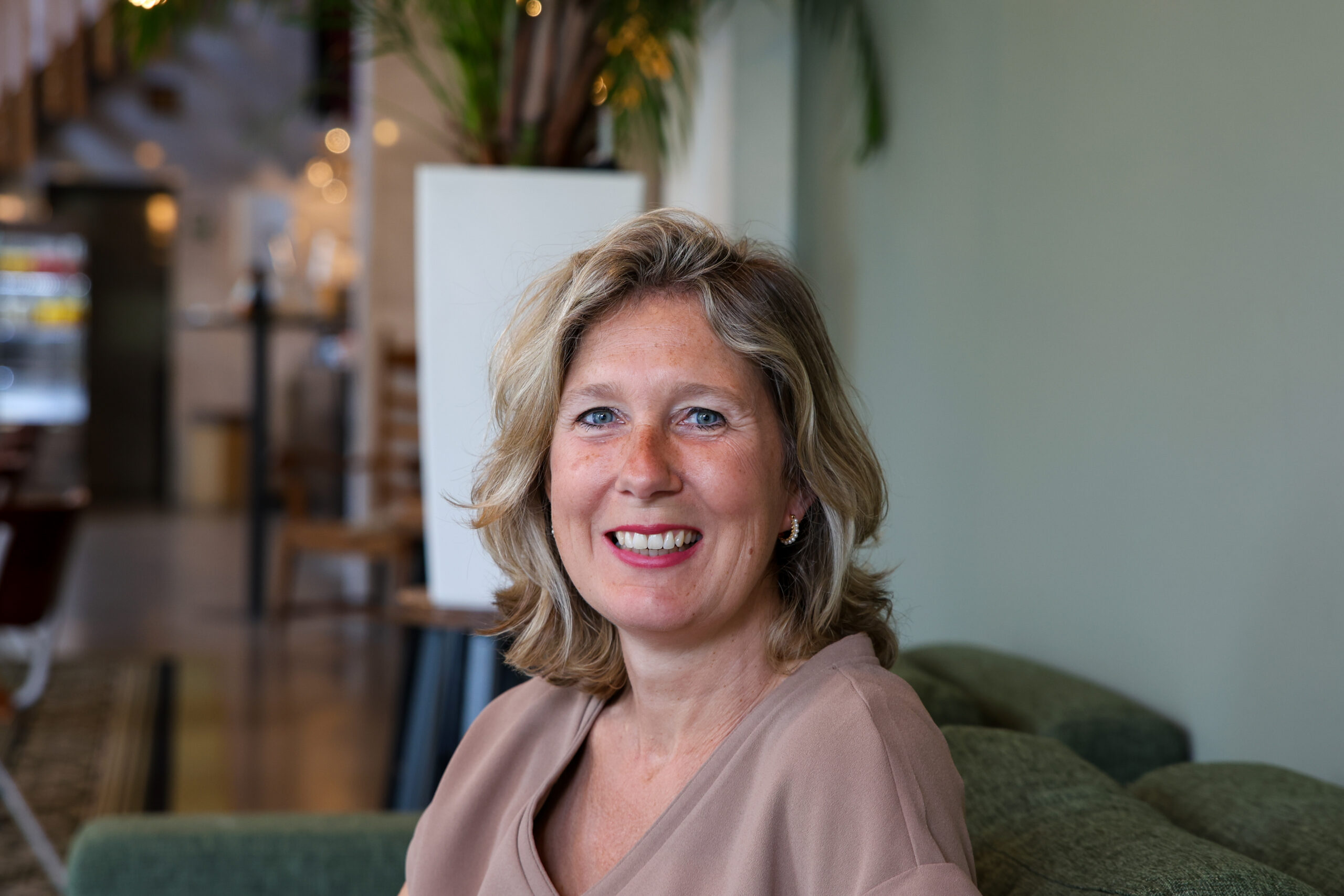
Janique Wienk
Career and life coach/psychologist
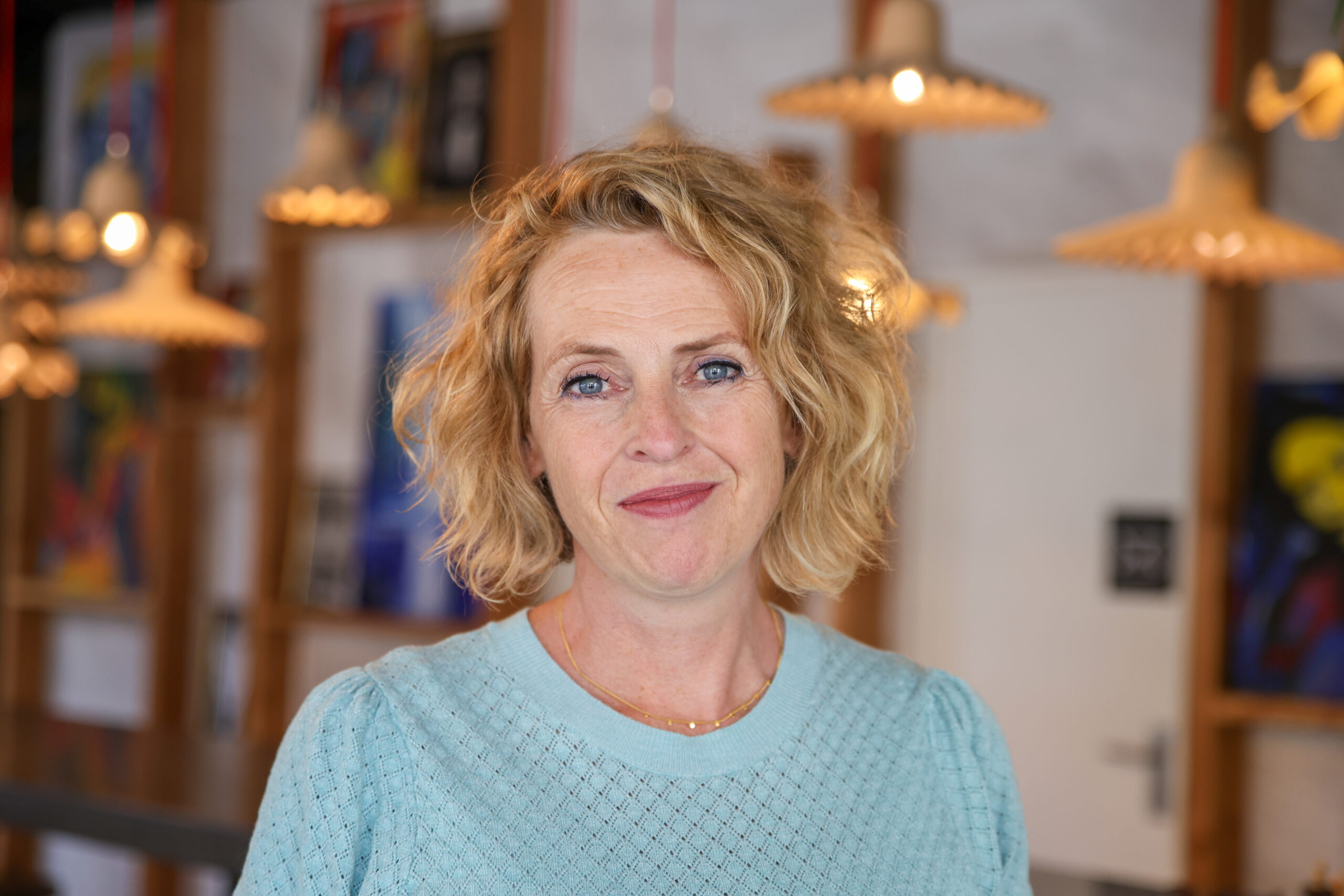
Sandra Meijer
Career, Stress and Life coach/psychologist
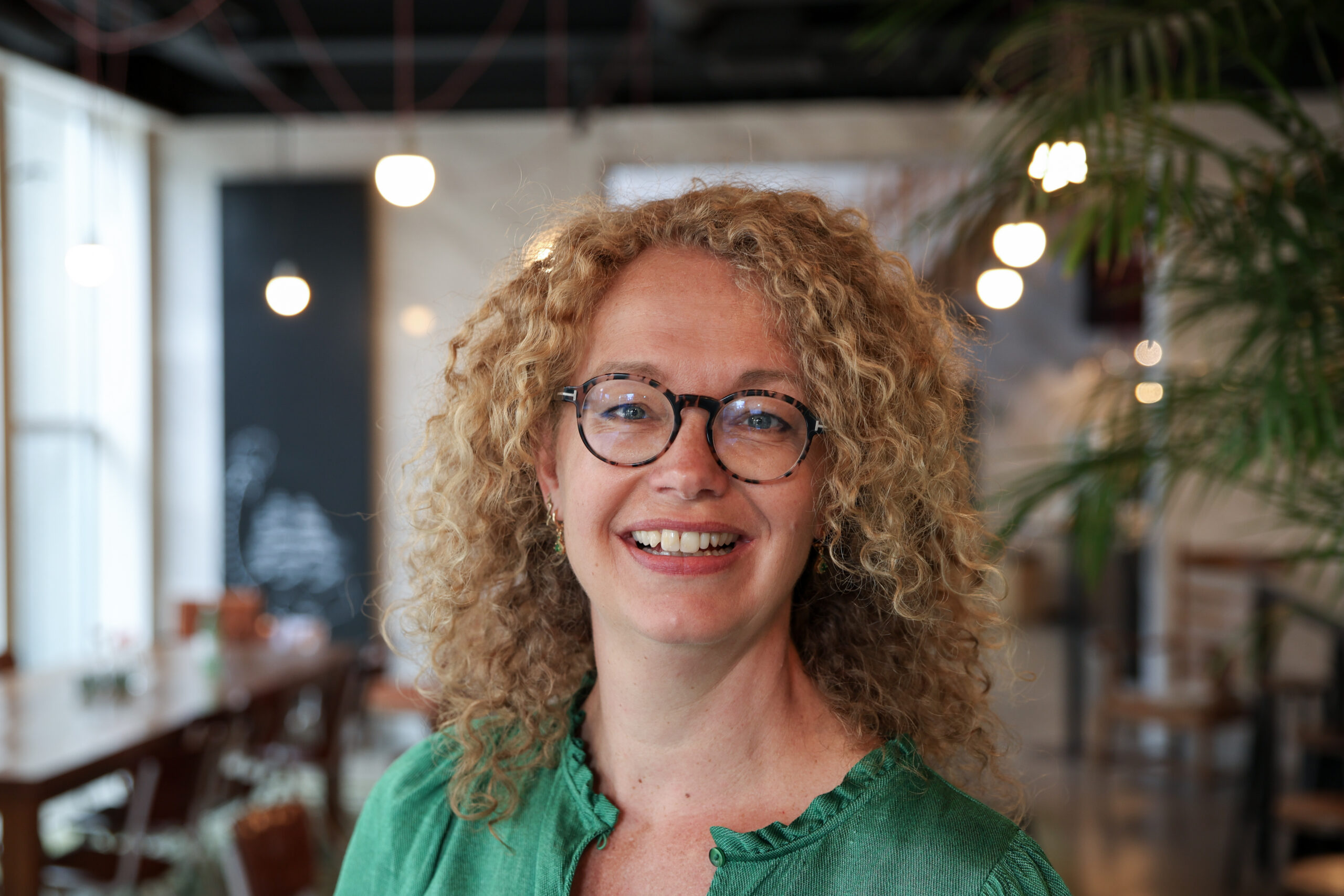
Wendy van de Kragt
Personal leadership and Stress coach/psychologist
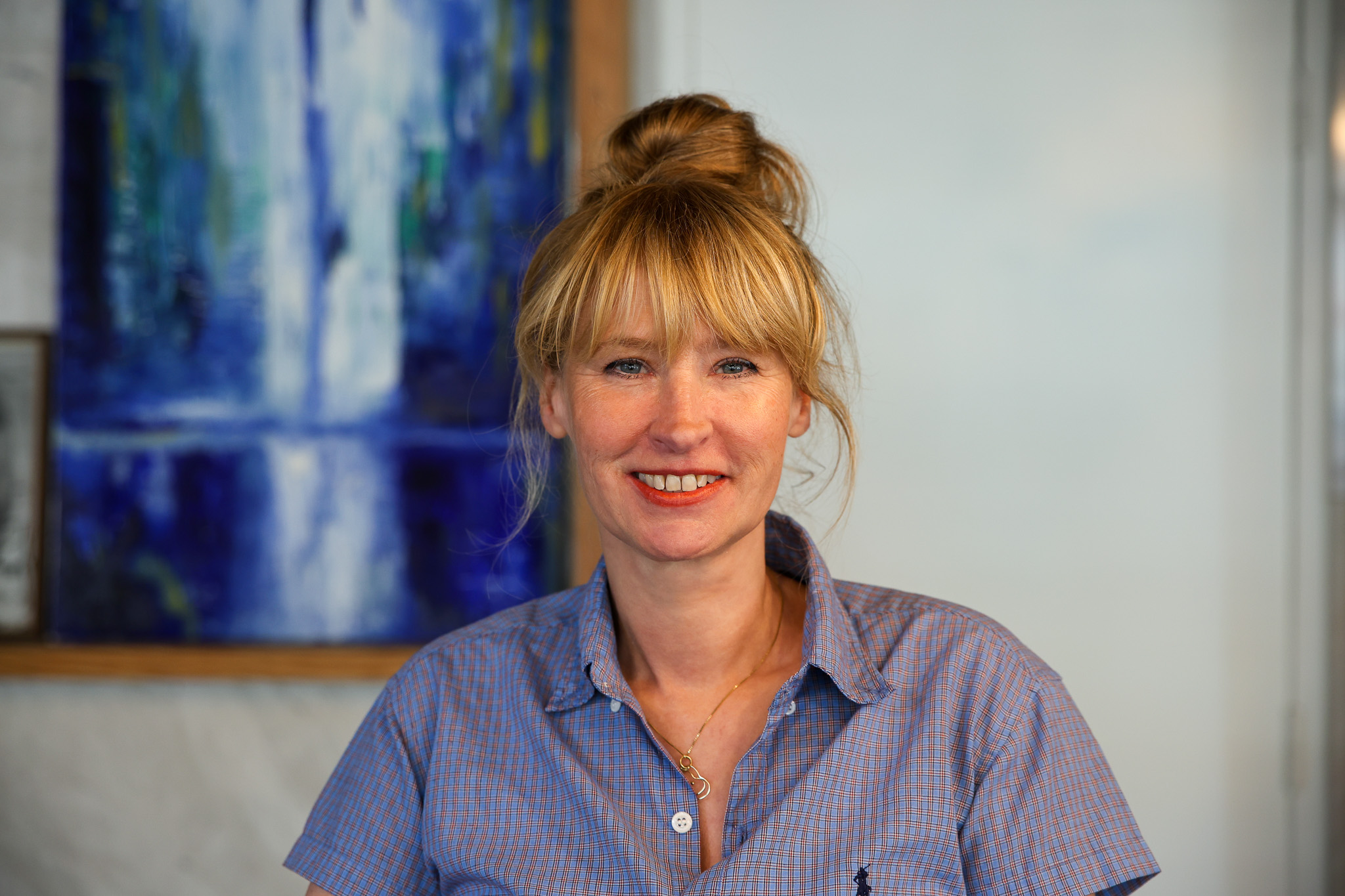
Jeannette Hakman
Personal leadership, Stress and Career coach/psychologist
