


Leadership starts with a delay

Leadership starts with a delay
Most leaders I speak to are not short of information.
They have a shortage of space.
Their diary is full. Their inbox is overflowing. Teams expect answers. The organisation demands speed. The market demands change.
And meanwhile, something remarkable is happening.
The higher up someone is in an organisation, the less time there often is to think.
While that may precisely be the most important task of leadership.
The paradox of modern leadership
Many leaders are constantly reacting:
- On numbers
- On problems
- On expectations
- On the whim of the day
This creates the risk that leadership degenerates into managing urgency.
You are busy.
You are visible.
You are available.
But are you also providing direction?
That's a fundamental difference.
What Thoreau can teach us
In Finding Your Walden Jen McGivney's work draws upon the thinking of Henry David Thoreau, who in the nineteenth century deliberately withdrew from the hustle and bustle of society in order to see more clearly what was truly valuable.
His aim was not to escape.
His aim was clarity.
That distinction is important.
But many leaders think reflection is something you do when you have time.
In reality, reflection creates the quality of the choices you make when you're short on time.
Leaders who never stand still lose perspective
In coaching, I regularly see leaders getting stuck, not due to a lack of competence, but due to a lack of perspective.
They are so close to the daily dynamics that everything seems important.
Every escalation feels urgent.
Every KPI requires attention.
Every stakeholder deserves a response.
Maar without distance, the distinction between what is loud and what is important blurs.
Teams feel it when a leader is consistently reactive.
Decisions are short-term focused.
Innovation is getting less room.
People experience more control and less trust.
The courage not to react immediately
One of the most underrated leadership skills is the ability not to do something immediately.
That sounds almost provocative in a world that rewards speed.
Yet the strongest leaders are often those who can tolerate space:
- Space between a question and an answer.
- The space between a problem and a solution.
- Space between action and reflection.
Not out of passivity.
But from consciousness.
They understand that a good decision often arises from delay, not acceleration.
Your own Walden as a leader
Every leader needs a Walden.
No hut in the woods.
But a place – physical or mental – where you break free from the constant stream of expectations.
A moment when you ask yourself questions such as:
- Which problems really require my attention?
- Where do I add the most value as a leader?
- Which decisions am I putting off because they are uncomfortable?
- Am I leading or reacting?
The quality of your leadership is ultimately not determined by how much you do.
But by the clarity with which you choose what you don't do.
An uncomfortable question
Suppose you had 30% fewer meetings next week. What would you spend that time on?
More operational matters?
Or to think more about the future of your people, your team, and your organisation?
The answer to that question often reveals more about leadership than any personality test or leadership competency.
True leadership isn't ultimately about working harder than others.
It's about seeing more clearly than others.
And for that, what Thoreau discovered over 150 years ago is sometimes precisely what's needed:
Stepping away from the hustle and bustle of everyday life is not the opposite of leadership. It is often a prerequisite for it.
Request a free introductory meeting
Would you like to see if there’s a good fit? Request a free, no-obligation introductory meeting.
We will contact you within 24 hours to schedule an appointment.
Meet our coaches
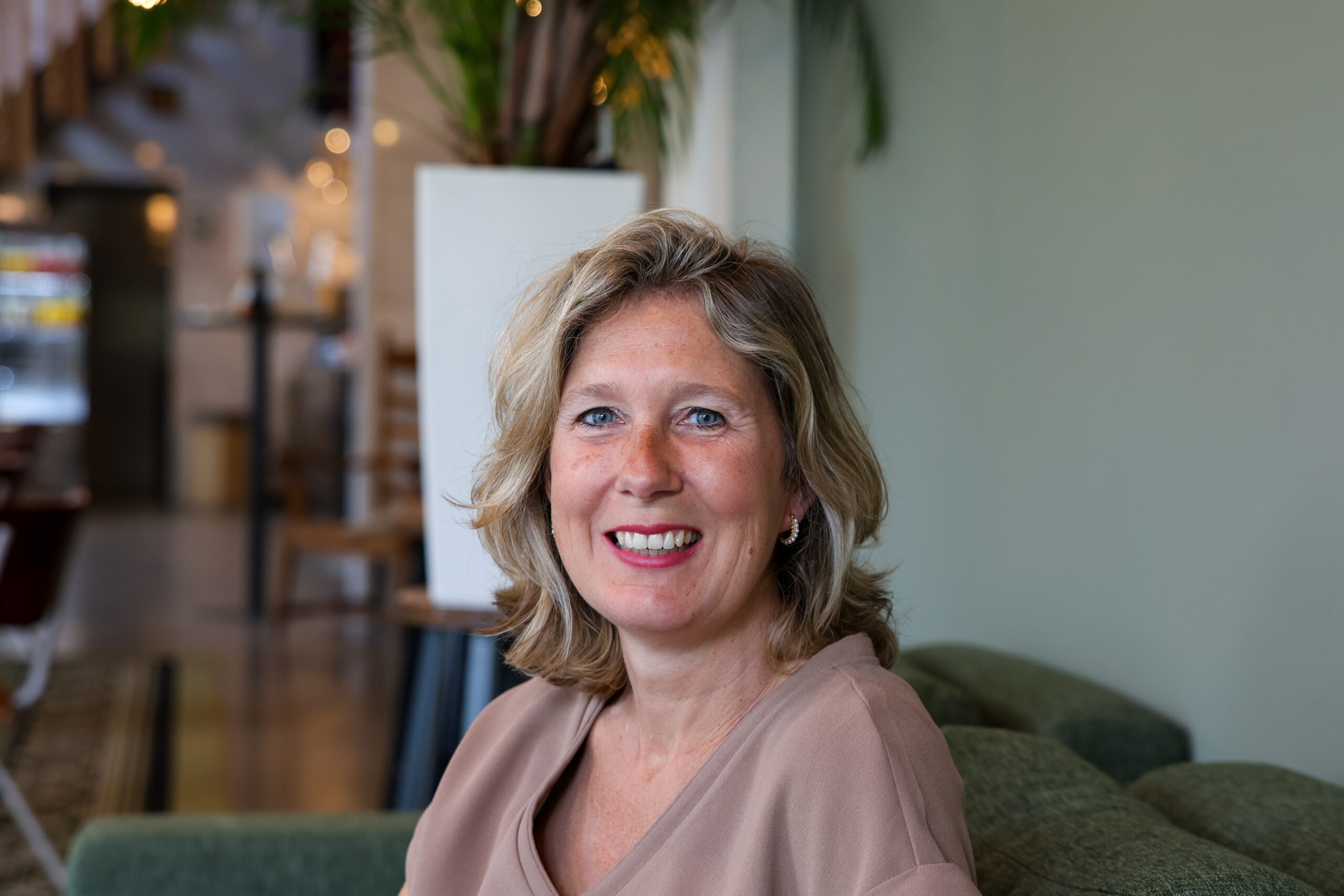
Janique Wienk
Career and life coach/psychologist
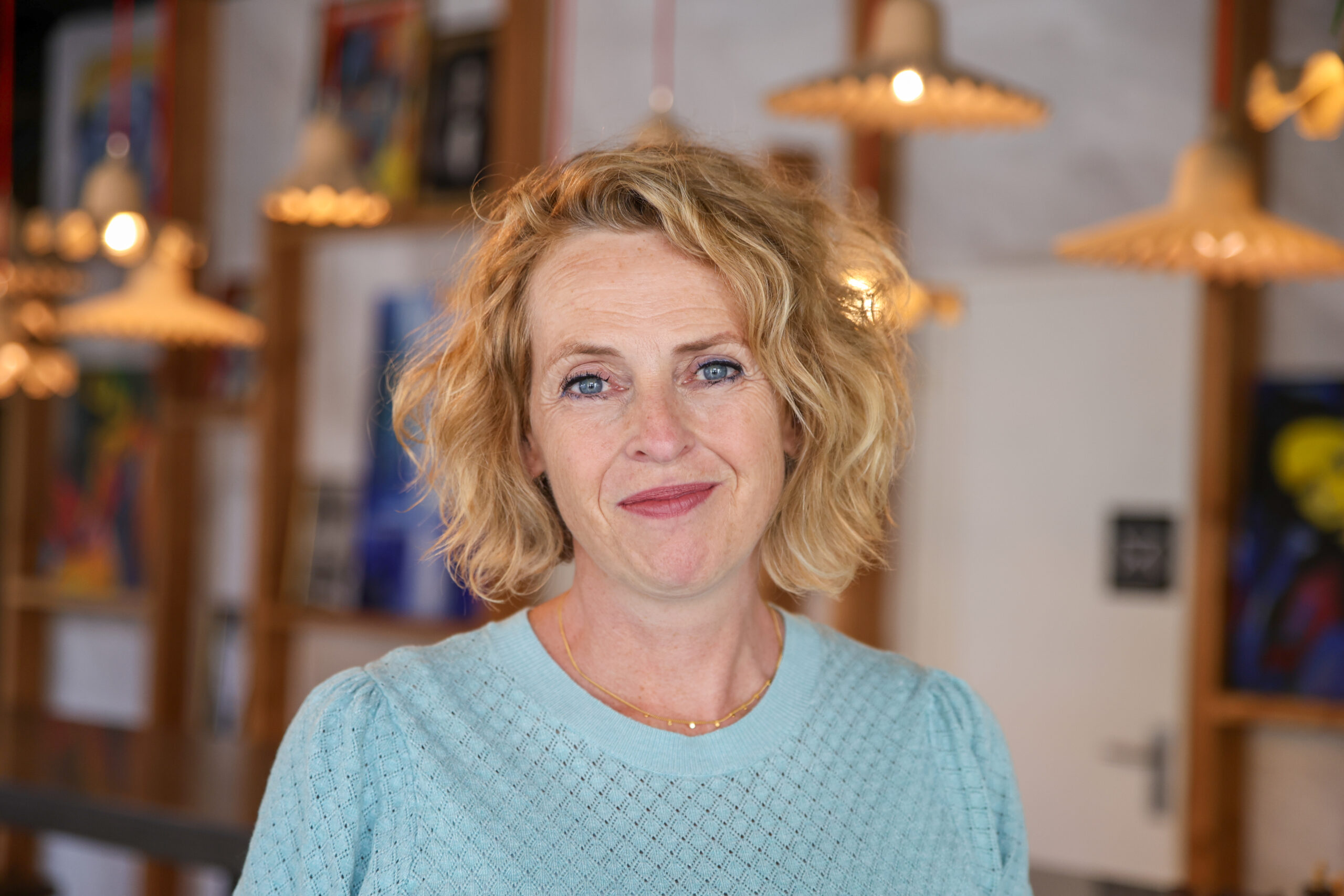
Sandra Meijer
Career, Stress and Life coach/psychologist
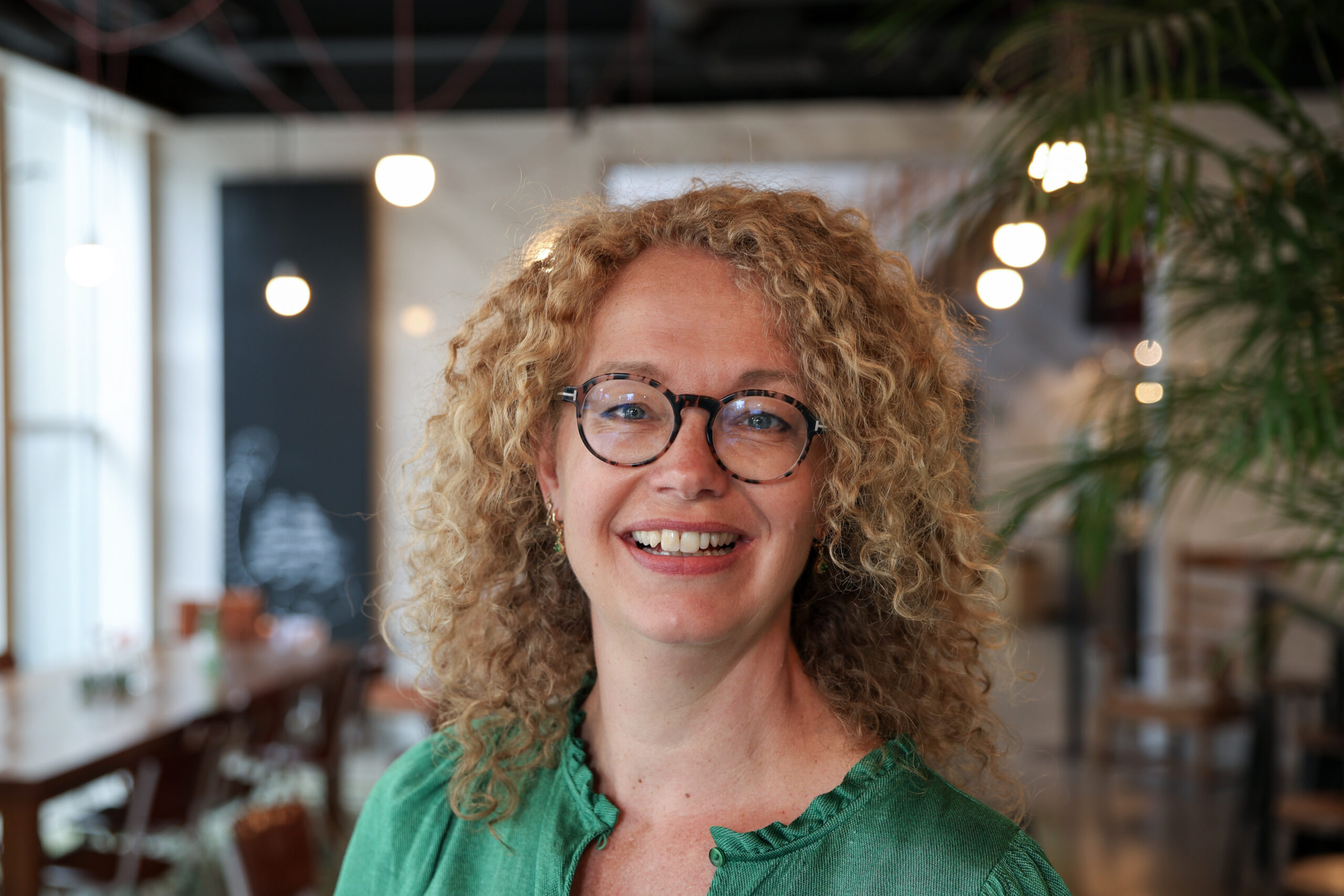
Wendy van de Kragt
Personal leadership and Stress coach/psychologist
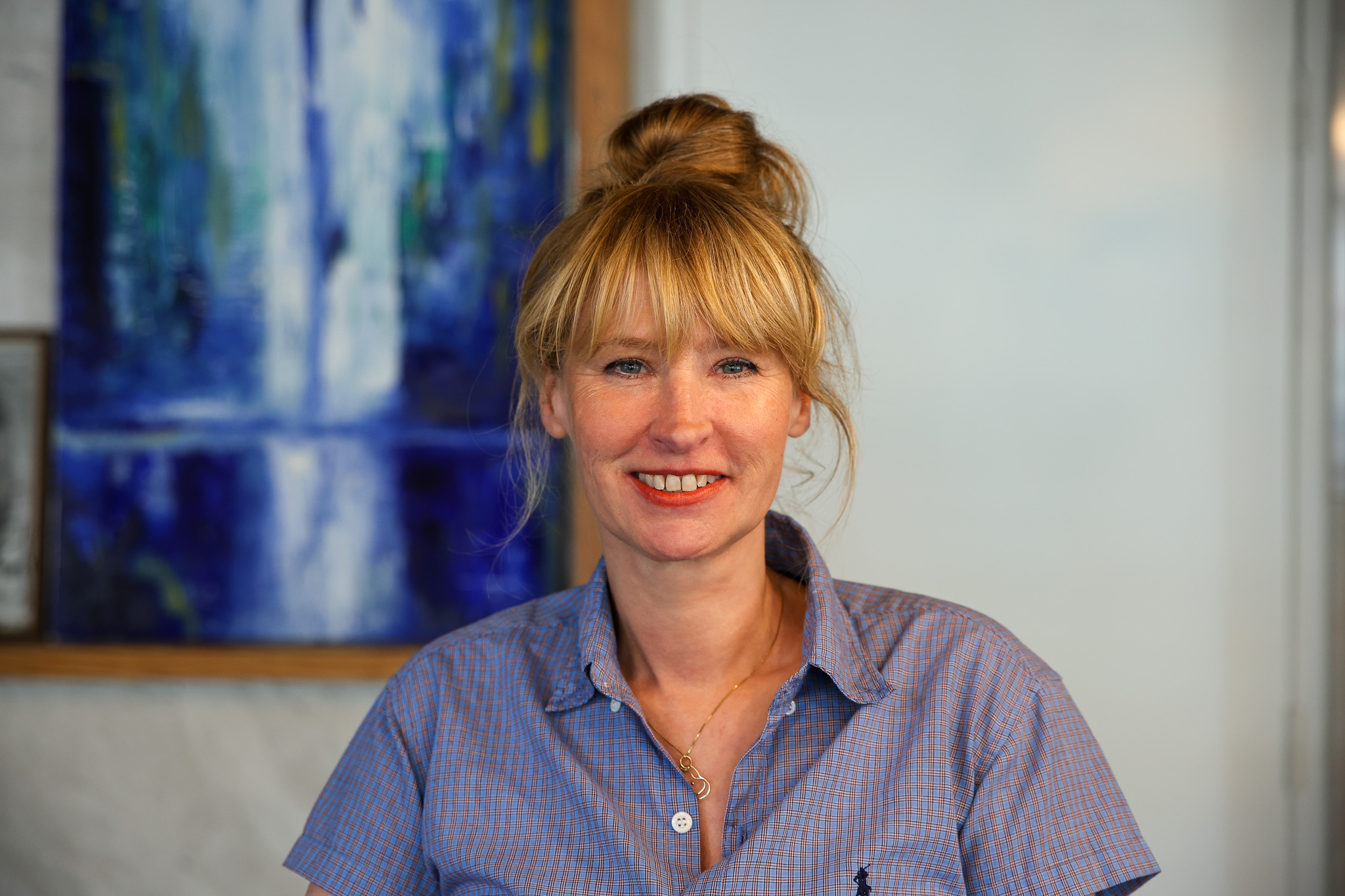
Jeannette Hakman
Personal leadership, Stress and Career coach/psychologist
