


Midlife: towards conscious choices and more value in your life
Somewhere between your 35th and 45th year, a question may arise that is not so easy to answer: is this really the life I want to lead? Not because you are unhappy or that something is wrong. Your work is fine, but it may not give you as much satisfaction as before. Or your schedule is constantly full and you wonder where your desires have gone in your schedule. Or you actually have everything you thought you wanted and you still wonder: is this it?
Researchers also use the term for the period of about 30 to 45 years. established adulthood. This is the life stage in which many important choices have already been made and more stability is emerging. It is precisely because of this that there can be room to rethink work, relationships, identity, and the direction of one's life (Goedereis et al., 2023).
The question is slowly shifting from ‘what can I achieve?’ to ‘where do I want to spend my time and energy?’. As a young adult, you are more focused on doing what is necessary to obtain a good job, a suitable partner, a home, a social circle, etc. Sometimes, you get lost in the process of following your own compass. And what you find important also changes with each phase of life.
In your twenties and early thirties, there is often a strong sense of possibilities. There is still room for everything. Later, that perspective changes, not necessarily because there is less possibility, but because you know better what something costs. You have experience with choices, responsibilities, and consequences. And you may also realize more strongly that time is not infinite. That can give rise to unexpected urgency. If I want something else, when am I going to do that?
That doesn’t necessarily mean you have to quit your job, end your relationship, or move abroad. Sometimes the conclusion is that you don’t really want to change anything at all, but rather want to continue with what you’ve already built up.
A very common One pitfall in midlife questions is that we look for solutions too quickly. ‘I’ve had it with my job, so I have to start applying for jobs.’ But maybe you’re not tired of your job, but of the lack of autonomy. Or you’re stuck in a role where you’re good at it and are rewarded well, but where you actually don’t get as much energy out of it. Or you’re looking for more responsibility and want to coach others, but you don’t get the chance. The same applies to other areas of life. Maybe you don’t want to leave your stuck relationship, but you do want to feel more connected to your partner. Or you notice that you’re not enjoying your family as much as you had expected, because you have to (or want to?) keep up with too many balls. It could also be that you want more space for a side of yourself that has been in the background for years.
Therefore, an important question is: where is going my really about unrest?
Often, unrest has several dimensions. Sometimes stress or overload plays a role. For example, when you are asked to make extra efforts on multiple fronts at the same time or when you have lost a loved one. You can also encounter your own ‘conditioning’, such as always wanting to do well, thinking that you’ll fail, avoiding conflicts, etc. So it’s important to unravel what – possibly – is all involved.
It is often also valuable to reflect on what is actually right. What do you want to keep? Where do you often get energy from? Which choices still suit you?
And if you feel that something is not right for you, you don’t need to immediately know what the solution is. Sometimes change simply starts with taking that question seriously. And taking the time to ‘let it go with you.’ Talk to others who are in a similar process or read and listen to inspiring experts for you.
Experimenting is also valuable. Change an element of your life for a certain period of time. Work part-time for a while. Plan a week of time alone in a nice place to feel freely what is important to you. Enroll in a course or training that takes you out of your comfort zone. By trying things out, you can experience what suits you better at this stage.
If your sense of unease continues to return, it may be helpful to talk to an independent professional. All the psychologists/coaches at LemonGrasscoaching are – apart from being experienced experts – well-equipped to shed new light on your dilemmas using various tools. Feel free to come and meet us!
Source: Goedereis, E. A., Mehta, C. M., Jones, J., & Ayotte, B. J. (2023). “I want to focus on something that I feel really good about every day”: Career development in established adulthood. Acta Psychologica, 234, 103863.
Request a free introductory meeting
Would you like to see if there’s a good fit? Request a free, no-obligation introductory meeting.
We will contact you within 24 hours to schedule an appointment.
Meet our coaches
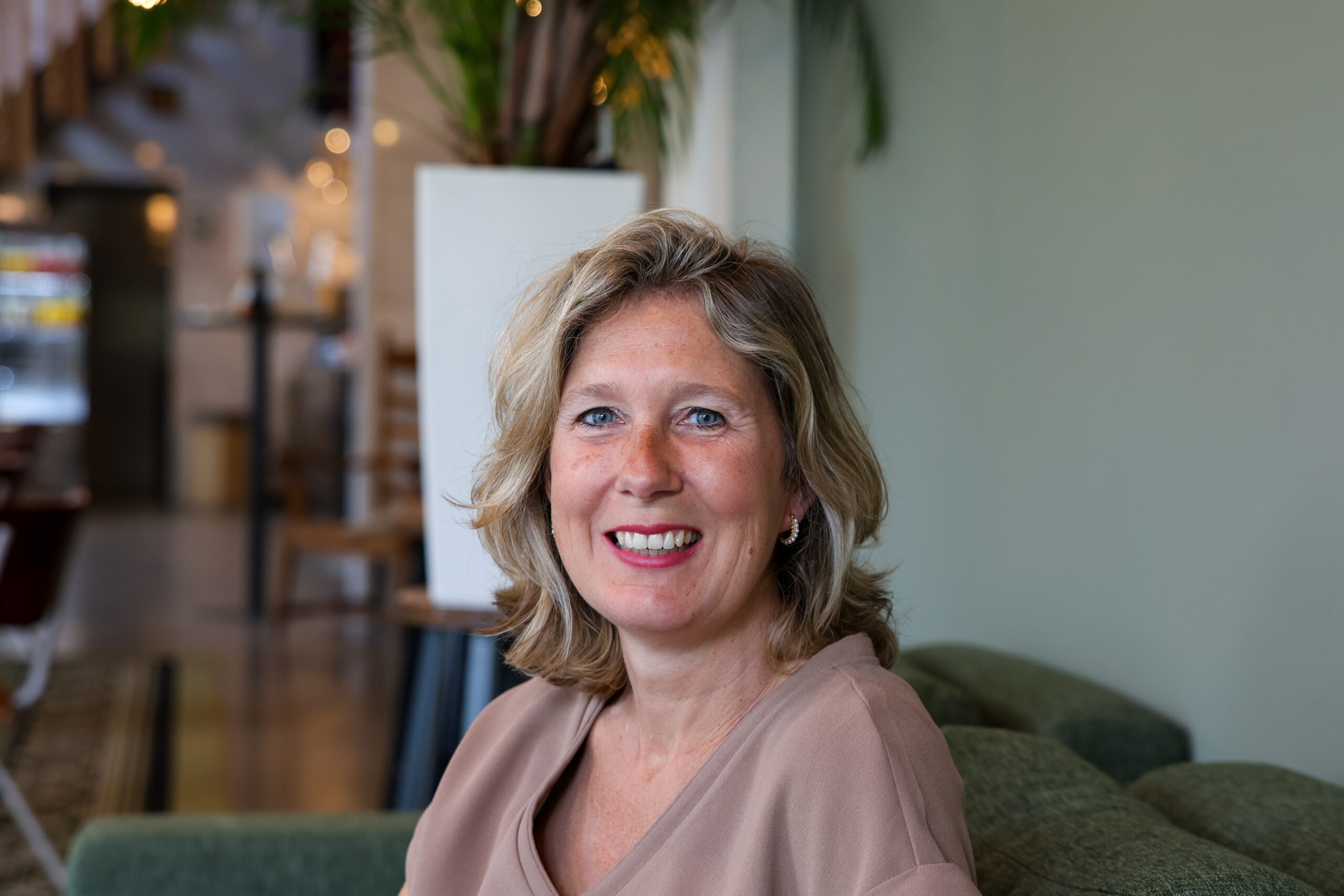
Janique Wienk
Career and life coach/psychologist
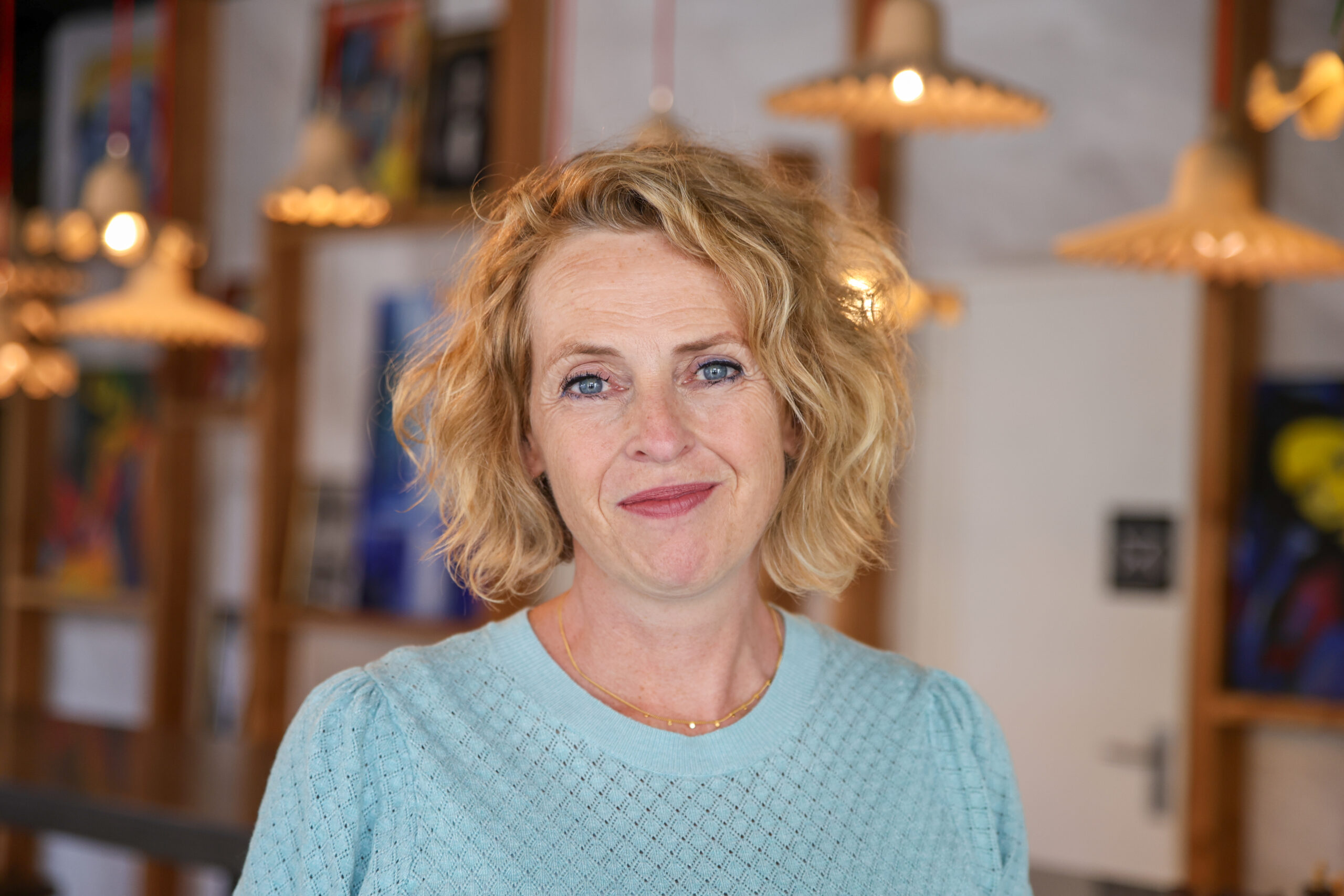
Sandra Meijer
Career, Stress and Life coach/psychologist

Wendy van de Kragt
Personal leadership and Stress coach/psychologist
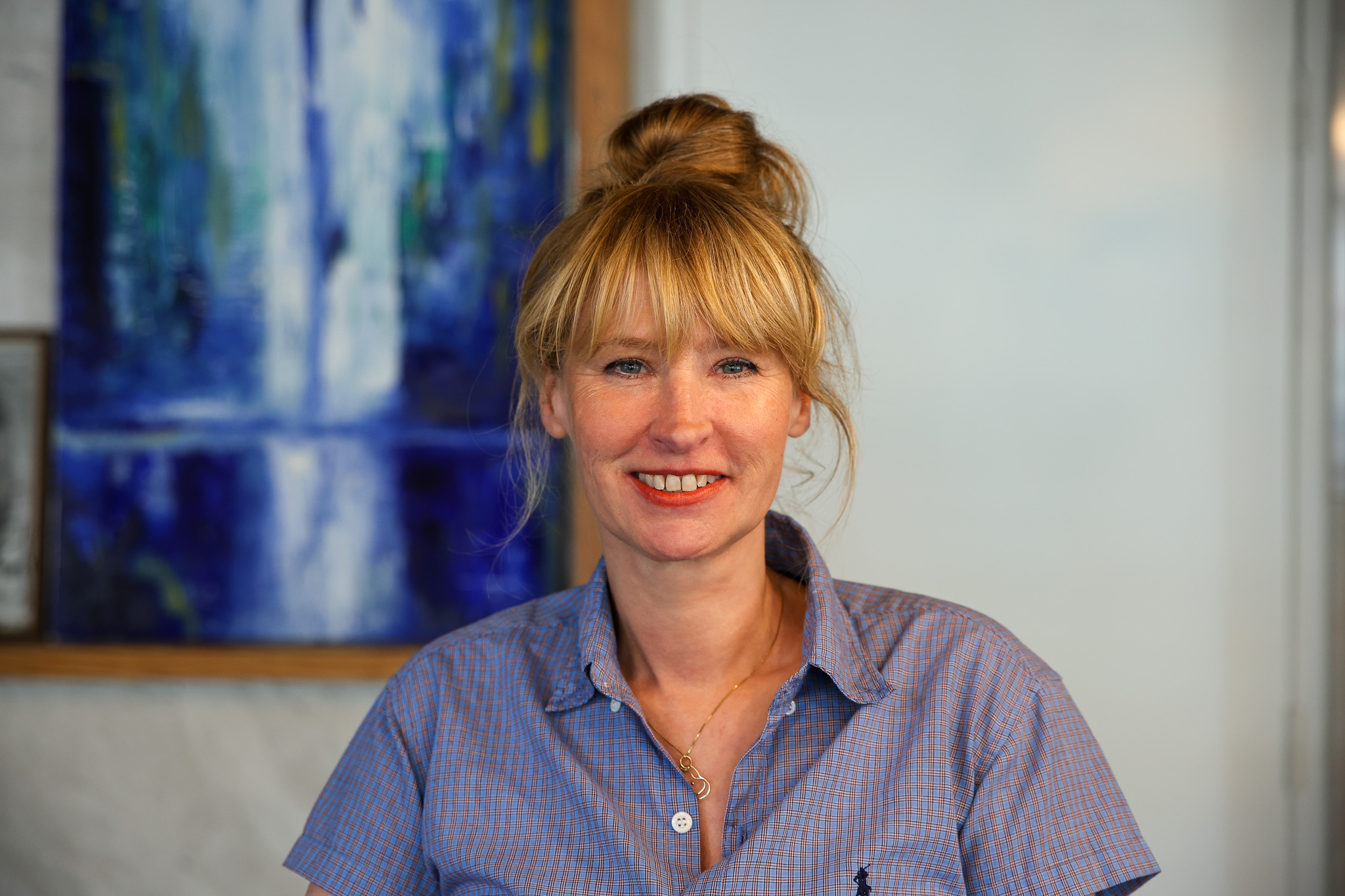
Jeannette Hakman
Personal leadership, Stress and Career coach/psychologist
